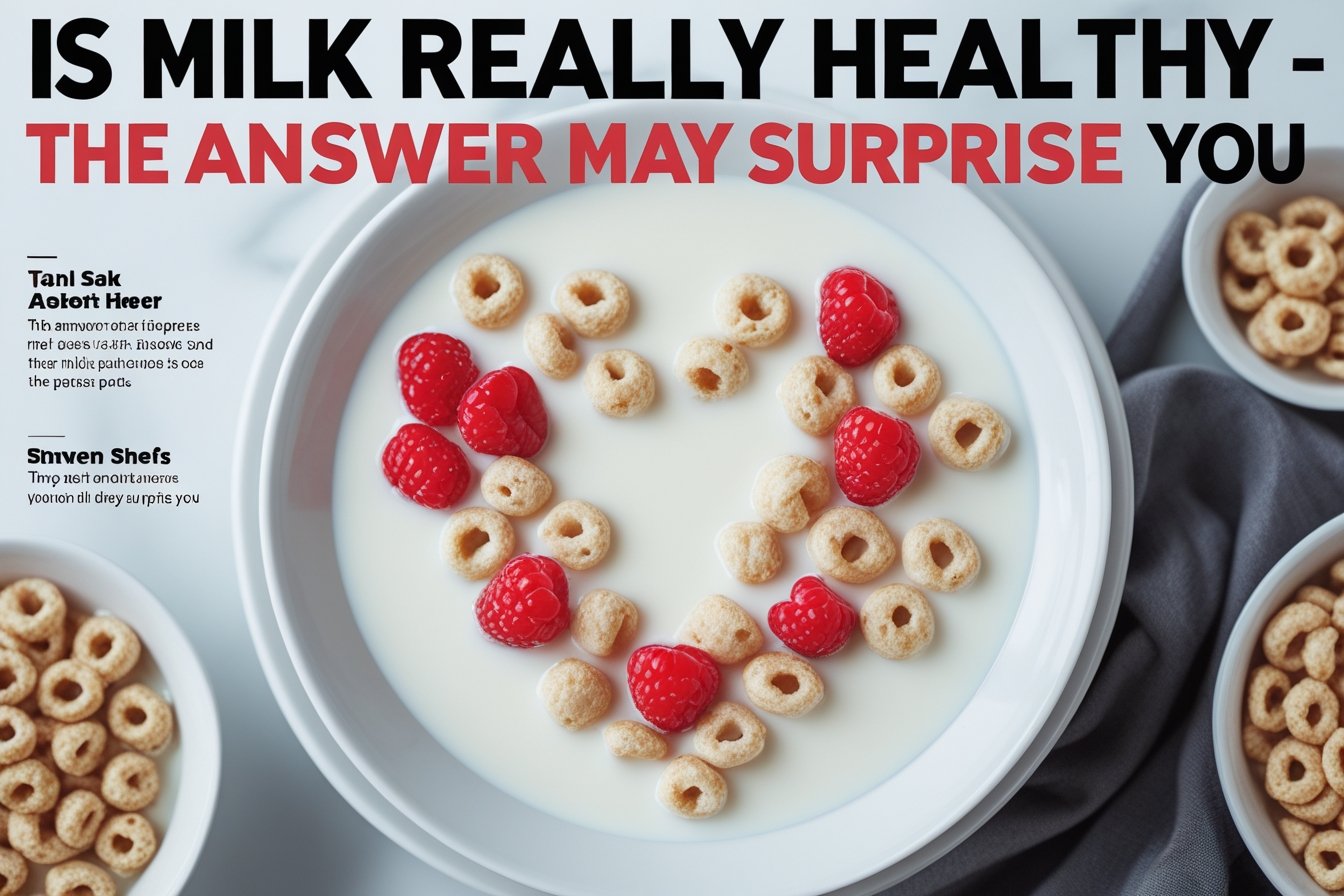
Milk has made an important place in the world’s cuisines. Milk is full of protein, calcium, vitamin D, and important minerals. It makes bones stronger and is important for a healthy body. For thousands of years, people have been drinking the milk of cows, sheep, or goat. Milk and its products (like curd and yogurt) are included in the daily routine in every area. As dairy debates swirl from kitchen tables to scientific journals, the truth behind milk’s benefits and pitfalls might be more nuanced than you think. Dive in to unravel the science, explore surprising global insights, and learn how to make the best choice for your unique health.
Rewriting the Milk Myth:
For millennia, milk has been hailed as nature’s perfect food, nourishing newborn mammals and humans alike. Yet modern science paints a more complex picture. While dairy lovers tout its calcium and protein, skeptics warn of lactose intolerance, allergy risks, and potential links to certain cancers. In truth, milk’s health impact hinges on factors like genetics, age, fat content, and overall diet. Rather than a one-size-fits-all verdict, let’s explore how milk can be both boon and bane, depending on how and who consumes it.
Nutrient Profile Deconstructed:
A single cup (244 g) of whole cow’s milk is surprisingly nutrient-dense. It delivers roughly 276 mg of calcium (28% of RDA), 205 mg of phosphorus (29% of RDA), 322 mg of potassium (9% of RDA), and 7–8 g of high-quality protein in the form of casein and whey proteins. Milk also provides vitamins A, D (when fortified), B12 (46% of RDA), riboflavin, and smaller amounts of magnesium, zinc, and folate. These nutrients support bone mineralization, muscle repair, nerve function, and immune health. However, one cup of whole milk carries about 150 calories, of which 4.5 g are saturated fat, prompting many to opt for low-fat or skim versions to trim excess calories and cholesterol.
The Balancing Act:
Numerous meta-analyses suggest that moderate milk consumption delivers net benefits: a 200 ml (≈1 cup) daily increase associates with lower risks of cardiovascular disease, stroke, hypertension, colorectal cancer, metabolic syndrome, obesity, osteoporosis, and type 2 diabetes. Yet some data indicate higher dairy fat intake could slightly raise prostate cancer and Parkinson’s risks, and lactose-intolerant infants face anemia if reliant on milk alone. Digestion plays a key role: up to 70% of adults globally lose lactase activity after childhood, leading to bloating, cramps, and diarrhea in lactose-intolerant individuals. For them, milk’s health perks vanish under digestive distress.
How Milk’s Impact Shifts Across Populations:
Milk’s effects vary across regions and cultures. Northern Europeans often retain lactase into adulthood, making dairy a safe staple. Contrastingly, East Asian and West African populations commonly develop lactose intolerance, prompting traditional diets rich in fermented dairy (yogurt, cheese) where bacteria predigest lactose. In some Pacific Islander communities, dairy is nearly absent, yet bone health thrives on calcium from fish bones and leafy greens. These examples underscore that milk isn’t indispensable, balanced diets adjusted for genetics and culture can deliver equivalent nutrients without discomfort.
Alternatives on the Horizon:
If you’re sensitive to dairy or choose plant-based living, a host of milk alternatives step in: soy, almond, oat, rice, and pea beverages flood supermarket aisles. Fortified versions often match cow’s milk’s calcium and vitamin D content, though protein profiles vary, soy milk leads with ~7 g per cup, while almond and rice offer only ~1 g. Plant milks may include added sugars or oils, so read labels carefully. For bone health, ensure you get enough calcium from leafy greens, tofu, nuts, or supplements. Similarly, vitamin B12, naturally present in dairy, may require fortified foods or pills for strict vegans.
Personalized Dairy Decisions:
Deciding if milk belongs in your diet boils down to personal factors:
- Digestive Tolerance: If lactose triggers discomfort, try lactose-free milk or fermented dairy.
- Nutrient Needs: Children, pregnant women, and older adults often benefit from milk’s calcium and protein.
- Fat Preferences: Choose whole, low-fat, or skim based on calorie and saturated fat goals.
- Ethical and Environmental Values: Organic, grass-fed, or non-dairy options can align with sustainability concerns.
- Health Goals: For weight management, full-fat dairy may increase satiety; for heart health, low-fat or plant-based milks might be preferable.
Consult a registered dietitian or healthcare provider to tailor your dairy intake. Track your calcium and protein sources throughout the day to ensure you meet, but don’t drastically exceed, recommended intakes.
Conclusion:
Milk sits at the crossroads of tradition and modern nutrition science. While it offers a powerhouse of calcium, protein, and essential vitamins, individual tolerance and health goals dictate whether it’s a dietary superstar or a source of unwanted side effects. From global dietary patterns to innovative plant-based alternatives, the ultimate verdict on milk’s healthiness is yours to craft. By understanding your body, scrutinizing labels, and balancing benefits against potential downsides, you can decide if that next glass of milk will truly surprise you, for better or for worse.
FAQs:
1. Is milk good for bone health?
Yes—milk’s calcium and vitamin D support strong bones and teeth.
2. Can lactose-intolerant people drink milk?
They can try lactose-free or fermented dairy with lower lactose.
3. Does milk cause weight gain?
Not inherently—full-fat milk may boost satiety, while low-fat options cut calories.
4. Are plant-based milks as nutritious as dairy?
Fortified varieties can match calcium and vitamin D, but vary in protein.
5. Can milk increase cancer risk?
Some studies link high dairy fat to slightly higher prostate-cancer risk.
6. How much milk should adults drink?
About 1–3 cups daily, depending on age, diet, and health goals.